
Connecting Names, Stories, and Communities
Every name on a memorial is connected to a larger story.
Through research, students uncover the people, places, organizations, and experiences behind those names, creating Person Profiles and Community Profiles that help preserve and share remembrance in meaningful ways.
Together, these profiles form a growing remembrance resource that connects local stories to Canada's broader remembrance heritage.
More Than a Research Project
Faces to Names supports two interconnected project types that help students explore remembrance from both an individual and community perspective.
Person Profiles
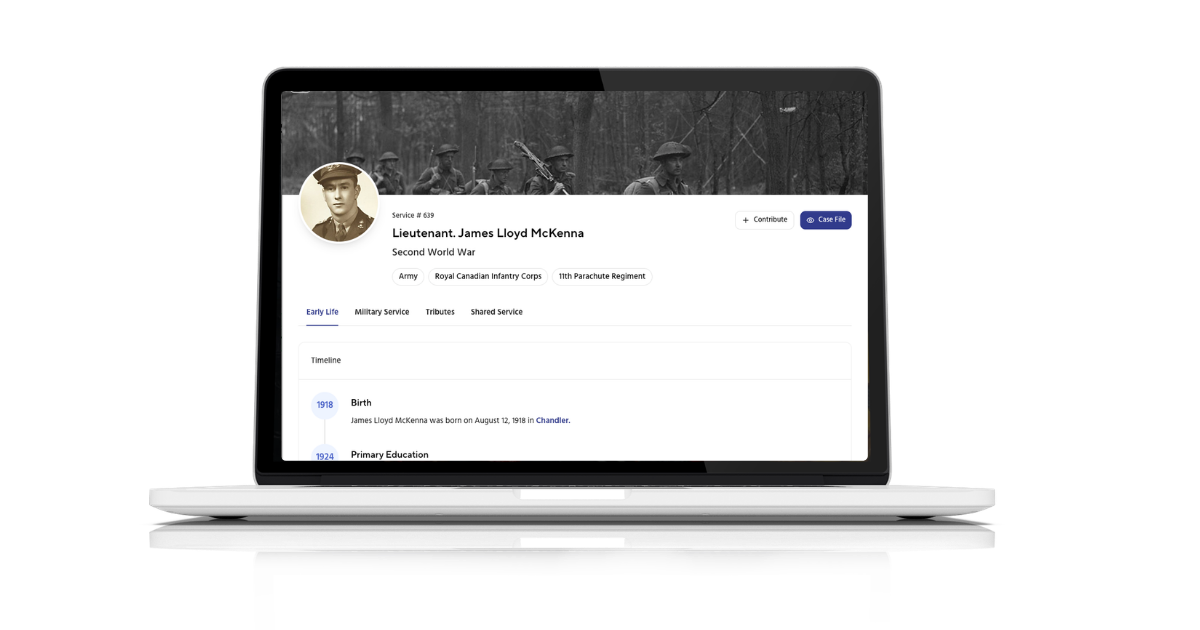
Students research and document the life, service, and community connections of an individual commemorated on a local memorial.
Using evidence gathered from trusted historical sources, they create a detailed profile that helps reveal the person behind the name. Person profiles connect individual stories to the families, schools, workplaces, locations, memorials, and communities that shaped them, revealing the broader context behind a name on a memorial.
Community Profiles
Students work together to explore the memorials, places, organizations, traditions, and stories that contribute to remembrance in their community.
Through research and community contributions, they create a Community Profile that documents and connects the elements in a single shared resource. Community Profiles help reveal how remembrance is expressed, preserved, and passed from one generation to the next, creating a richer understanding of a community's remembrance culture.
A Growing National Collection
Together, Person Profiles and Community Profiles form a growing collection of remembrance stories from communities across Canada.
As the collection grows, Faces to Names will become a publicly accessible, searchable resource that helps families, educators, researchers, and communities explore the people and stories behind Canada's memorials, and connect those stories to Canada's broader history.
The long-term vision is that visitors to cenotaphs, memorials, honour rolls, and remembrance sites will be able to access these stories directly through digital links, such as QR codes, transforming memorials into gateways to local and national history.
The Journey from Name to Story
Every Faces to Names project follows a structured process that helps students uncover, document, and share the stories behind the names on local memorials.
Step 1: Discover
Students begin with a name from a local memorial. Using trusted sources such as Library and Archives Canada, the Canadian Virtual War Memorial, and the Commonwealth War Graves Commission, they gather evidence about the person's life, service, and community connections.
Along the way, students learn how historians evaluate sources, verify information, and resolve discrepancies.
Step 2: Connect
Students explore the story behind the name. As they research, they uncover connections to families, schools, workplaces, organizations, neighbourhoods, military service, memorials, and local history.
These discoveries help students understand both the individual and the community they were part of. Photographs, letters, newspapers, memorials, and community knowledge help bring each story to life.
Step 3: Share
Students create evidence-based Person Profiles that document the lives and stories they have uncovered. Classes also develop Community Profiles that connect individual stories to the people, places, organizations, memorials, and traditions that shape a community's remembrance culture.
Following teacher review and community verification, profiles become part of a growing national collection that helps preserve and share Canada's remembrance story.
Name on Memorial > Research > Evidence > Profile > Review > Verification > Publication
Every Form of Service. Every Community.
The names commemorated on Canada's memorials represent many different forms of service. Faces to Names ensures those stories are seen and understood.
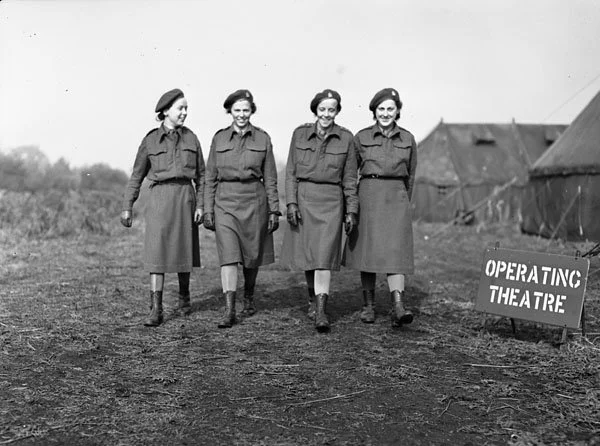
Faces to Names takes an inclusive approach to remembrance, helping students explore the lives and contributions of the people commemorated by their communities. These stories may include members of the Army, Navy, and Air Force, as well as Merchant Navy members, Nursing Sisters, RCMP personnel, and others whose service formed part of Canada's wartime experience.
Together, these stories help create a broader and more complete understanding of Canada's remembrance heritage.
Built on Trusted Historical Sources
Faces to Names guides students to authoritative Canadian and international sources used in historical and remembrance research.
Library and Archives Canada
Canadian Virtual War Memorial
Commonwealth War Graves Commission
Bring Remembrance to Life
Whether you're an educator planning a classroom project or a community organization exploring local remembrance initiatives, Faces to Names provides the tools and support to help uncover and preserve the stories behind the names.