
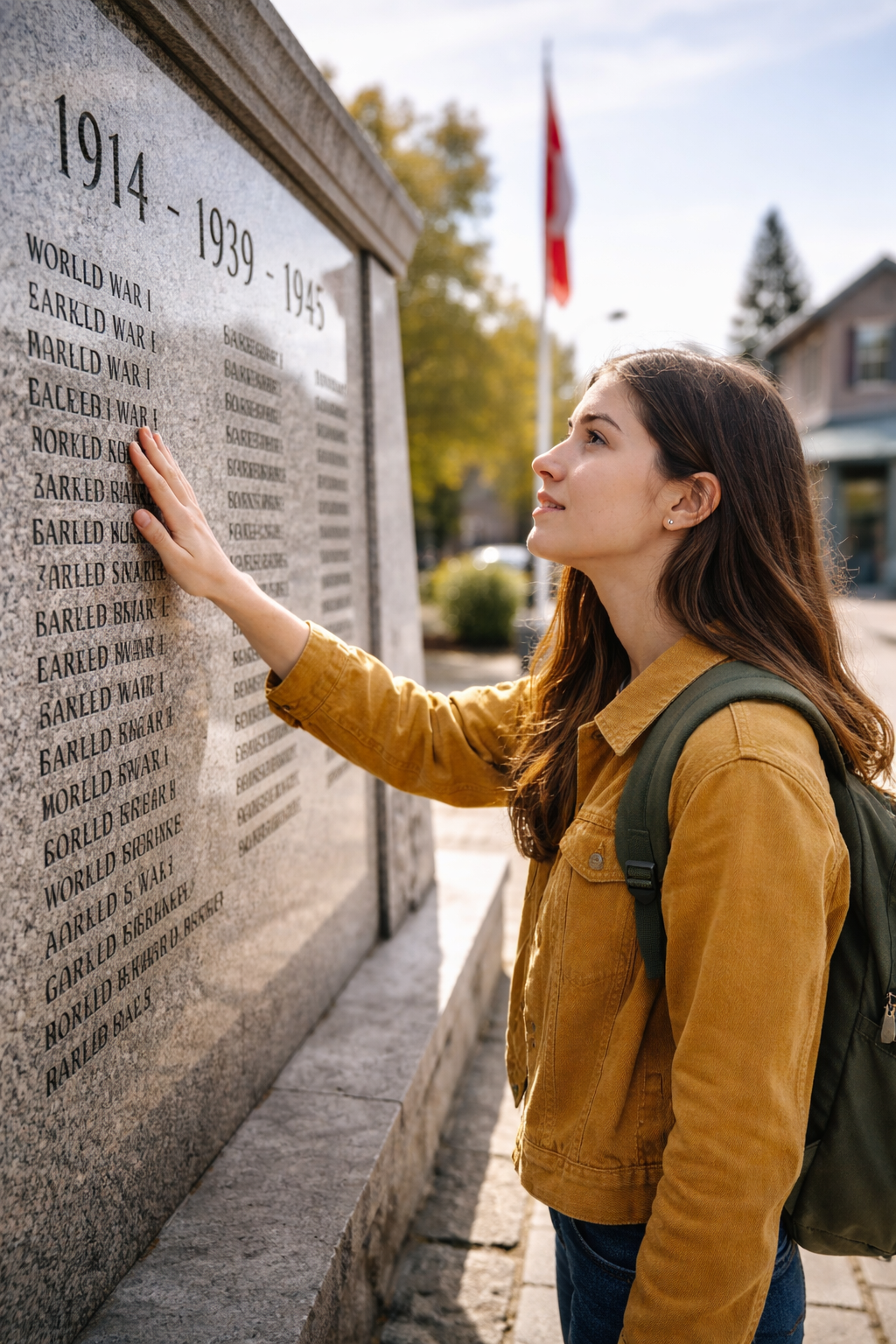
Every name has a face.
Every face has a story.
Faces to Names is an innovative Canadian remembrance education platform where students uncover and share the stories behind the names on local memorials.
Bringing Remembrance
to Life
The stories behind local memorials are more than individual stories. They’re community stories of families, neighbours, schools, workplaces, and lives shaped by war.
Faces to Names helps students uncover those connections, revealing how conflict affected the communities they know today.
Through that understanding, students develop a deeper appreciation for the peace and freedom they enjoy and a commitment to carry those values forward, helping to ensure remembrance remains relevant for future generations.
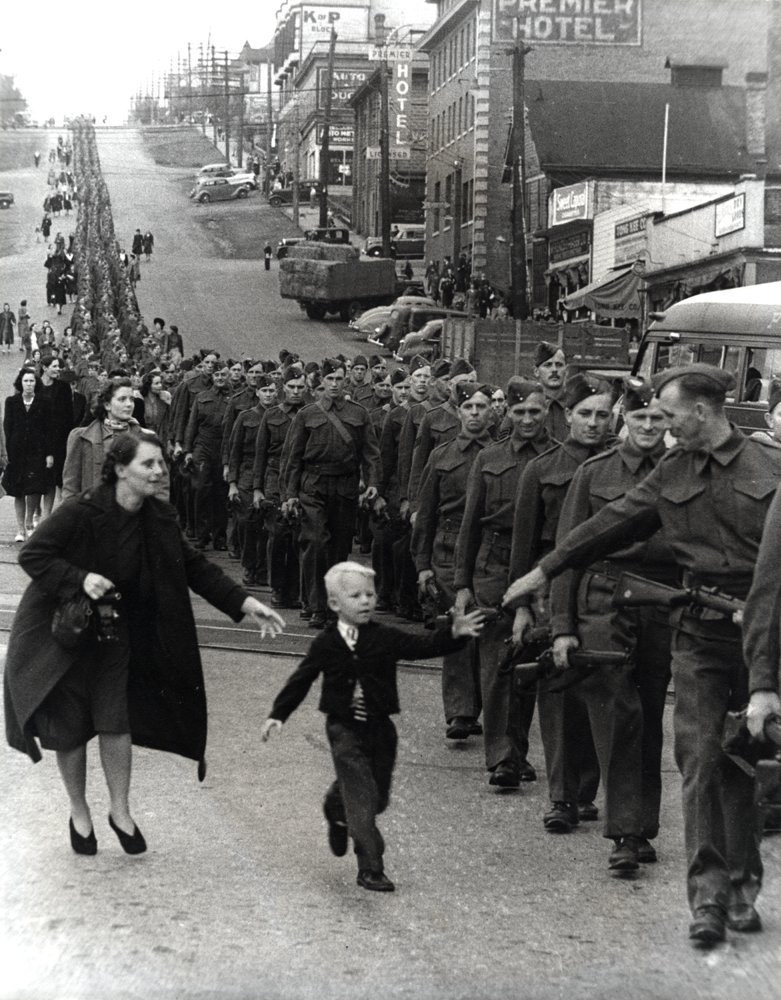
Every face has a story. Every story begins in a community "Wait for Me, Daddy" photograph by Claude P. Dettloff, 1940.
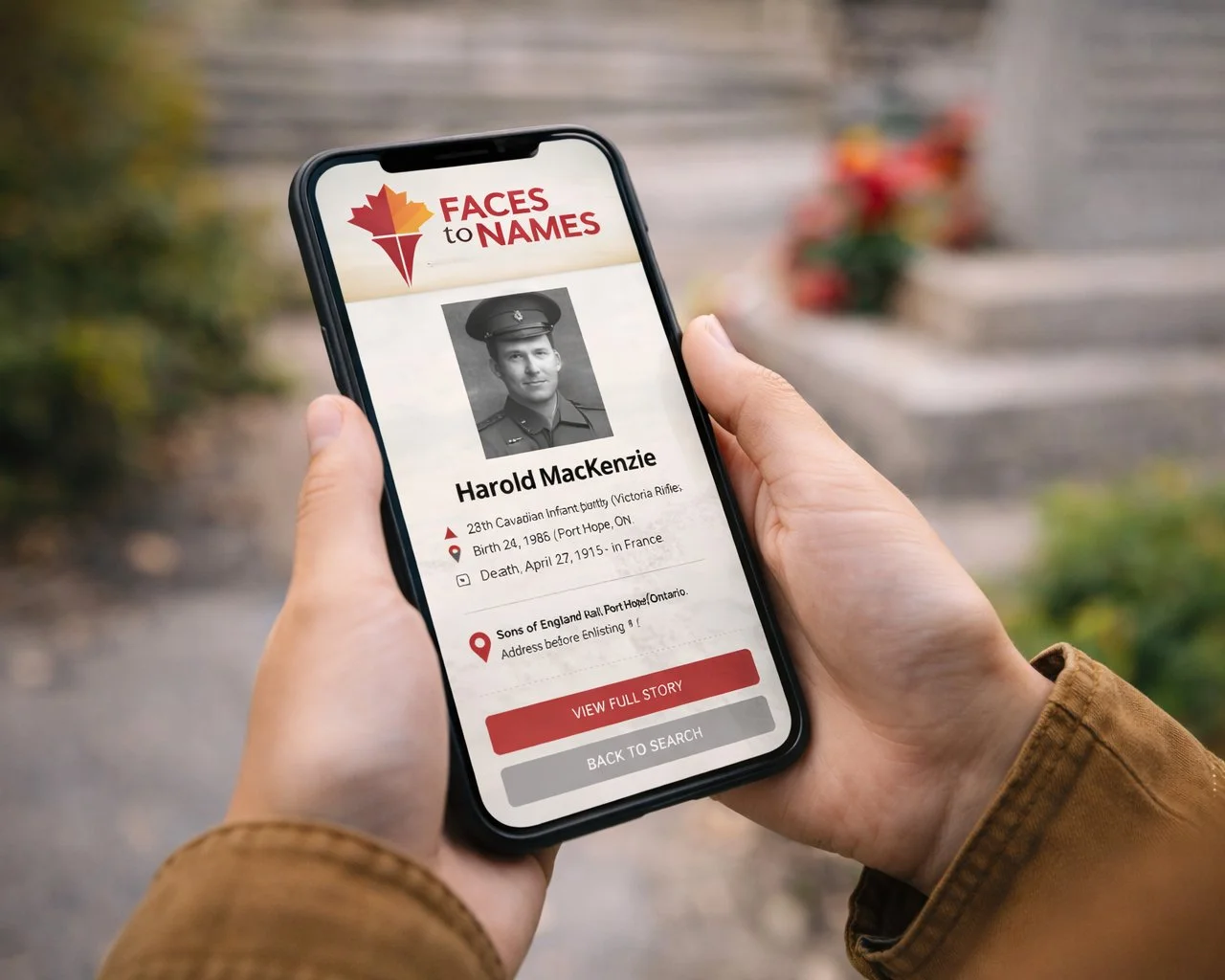
“He lived on my street.”
That's the moment everything changes.
A name on a memorial becomes a neighbour. History becomes personal.
Through each person's story, students discover the family, school, workplace, and community that were part of their life.
Student-Led. Community-Driven. Future-Focused.
Students don't just learn history. They do history.
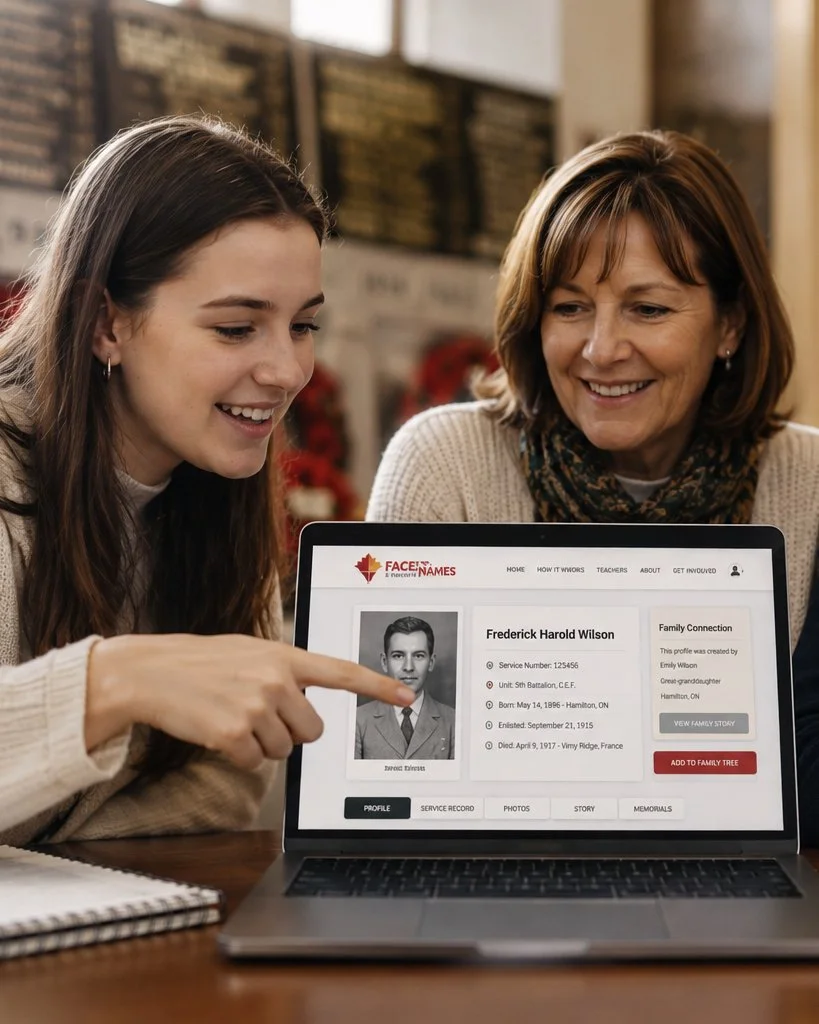
Faces to Names brings together students, communities, and innovative digital tools to explore the stories behind local memorials.
Through research and storytelling, students connect people, places, and history in ways that are personal, meaningful, and relevant.
Each profile brings together historical records, community knowledge, and storytelling to reveal the person behind the name.

How Faces to Names Works

DISCOVER
Research a person named on a local memorial.
CONNECT
Explore their story and community connections.

Share
Bring their story to life for others.
Roy Miller
Student. Artist. Neighbour. Soldier.
Guelph 200: Faces to Names in Action
As part of Guelph's 2027 Bicentennial, students and community members are uncovering the stories behind the names on Guelph's memorials.
Roy Miller is more than a name on the Guelph Cenotaph. He was a student, an artist, a neighbour, a son, and a soldier.
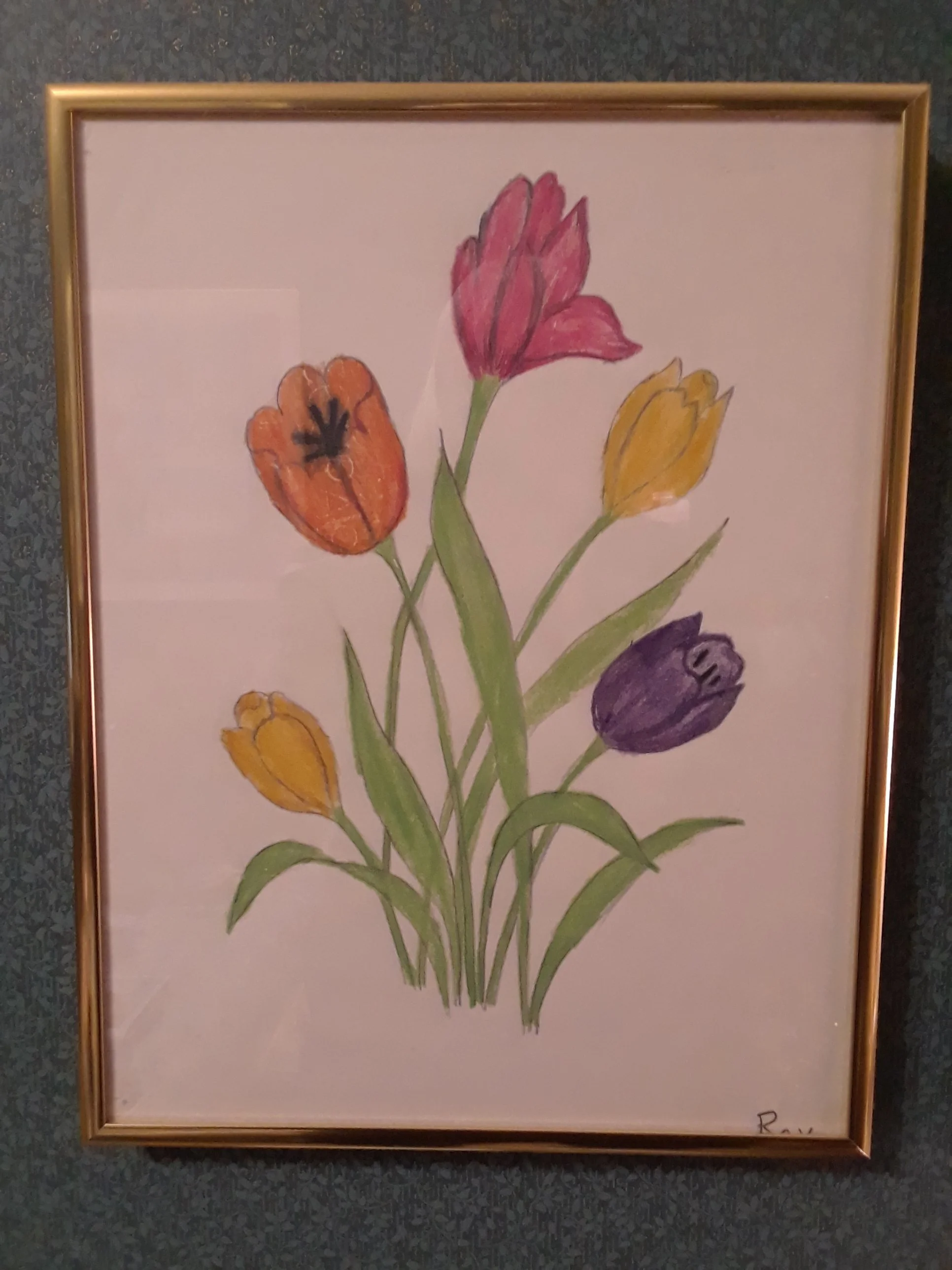
Roy attended school in Guelph, created artwork in Grade 9, and proudly posed with his car outside his family home. Like many of the people commemorated on Guelph's memorials, he had dreams, interests, and plans for the future.
"If I can do my part to help make the world a safe and decent place for Mother and the rest of you to live in, then I won't mind if I do not return."
-- Roy Miller, in a letter to his family, March 30, 1944
Through Faces to Names, students connect photographs, school records, family history, personal letters, and community contributions to uncover the people, families, schools, workplaces, and neighbourhoods behind the names on local memorials.
Student research will also contribute to a digital Guelph Community Profile that documents and connects the memorials, places, organizations, traditions, and stories that shape the city’s remembrance culture.
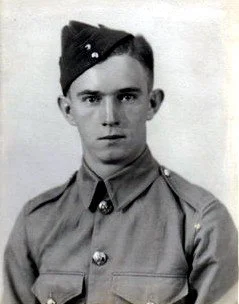
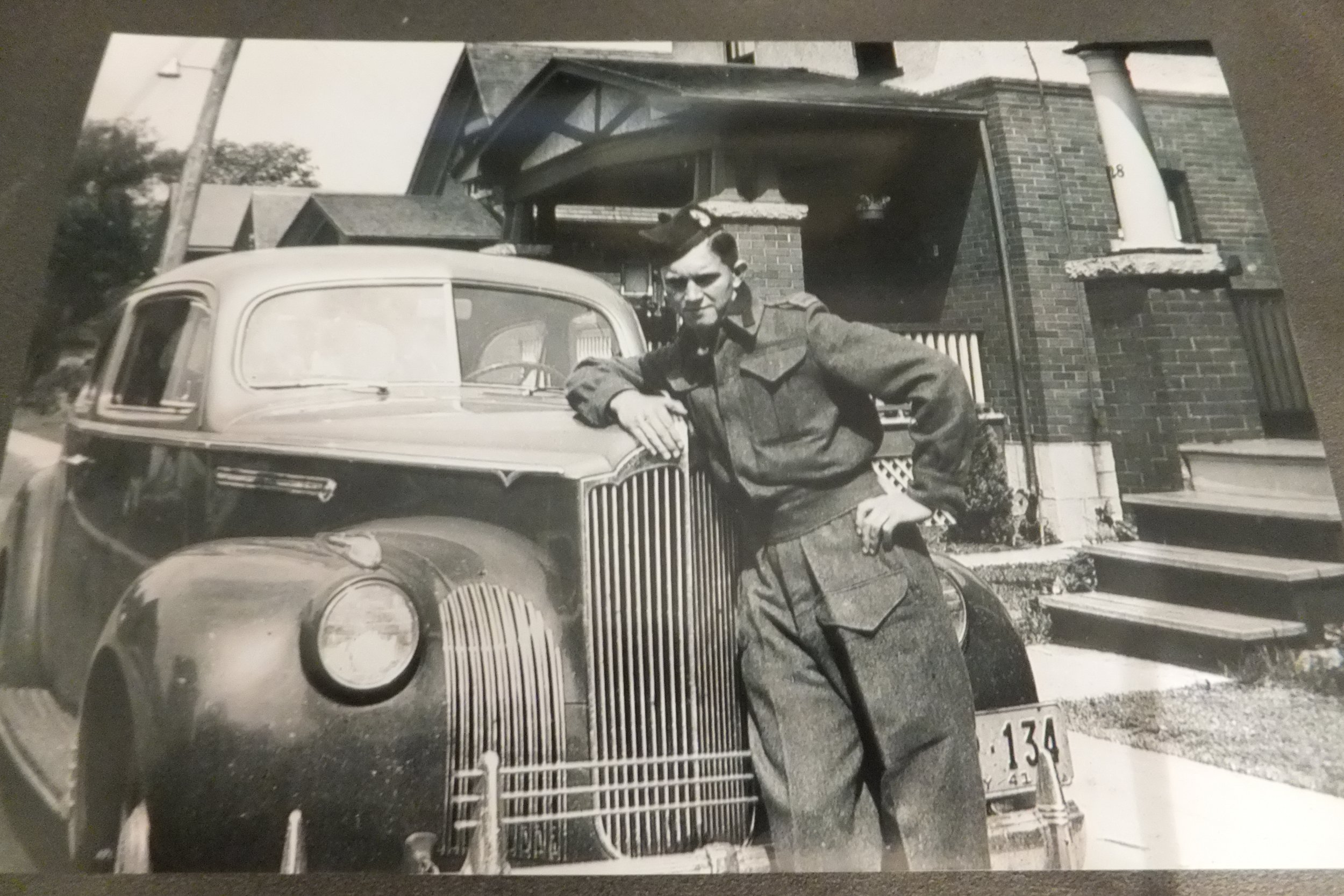
Roy Miller of Guelph. (1941)
One name. One story. One student's journey of discovery.
Created by student researcher, Riley Wilson, this video tells the story of Robert Davidson, a Canadian airman commemorated on the Hamilton Cenotaph. It shows how students bring remembrance to life by uncovering the stories behind the names on local memorials.
Bring Faces to Names to Your Classroom or Community
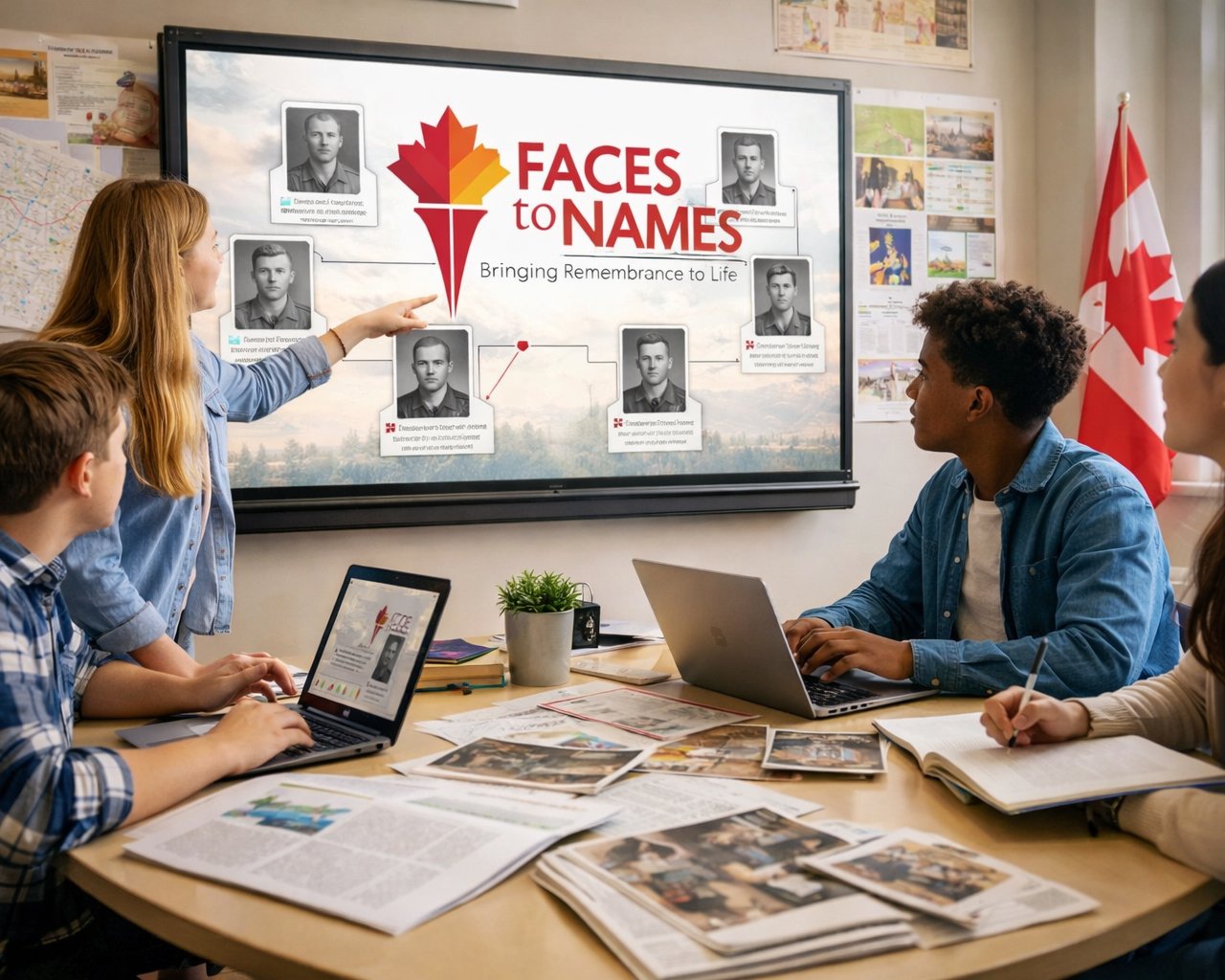
Teachers
Guided, curriculum-aligned research projects help students develop historical thinking skills while uncovering the stories behind the names on local memorials.
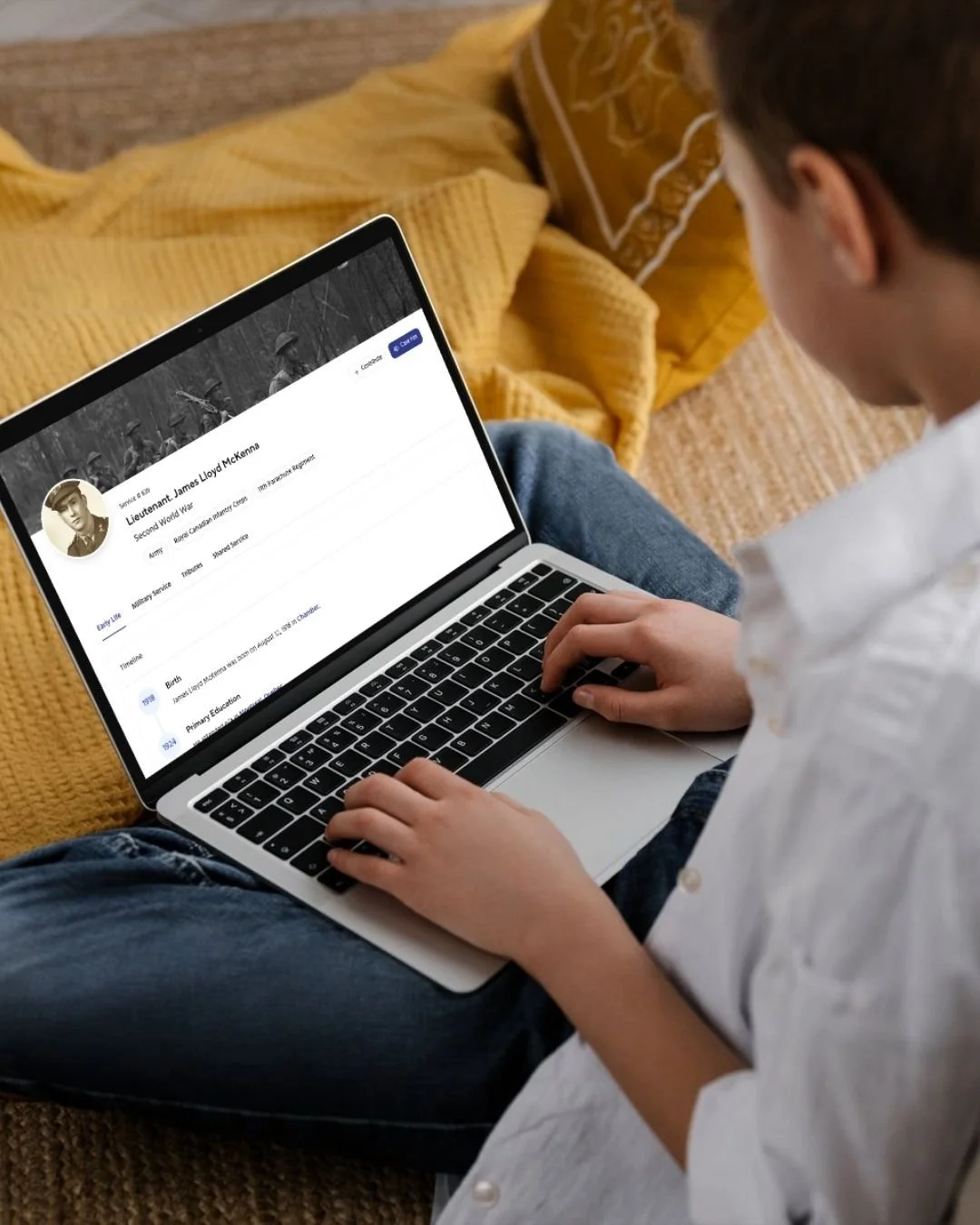
Communities
Student research contributes to a growing record of local remembrance, connecting schools, families, museums, archives, and community organizations in meaningful ways.
WHAT PEOPLE ARE SAYING
"We are making these men - these people - more than statistics. We are making them human."
Abbey
Student, Guelph Collegiate Vocational Institute
"Faces to Names helps young people see the past as something valuable to them."
Kerry Mullen
History teacher, Guelph Collegiate Vocational Institute
"Faces to Names helps create personal connections between students, communities, and our shared past."
Rachel Collishaw
President, Social Studies Educators Network of Canada
Supporting Remembrance Education
Faces to Names collaborates with educational, research, and community organizations that share a commitment to remembrance education.
Ready to bring remembrance to life in your classroom?
Whether you're an educator, student, community organization, or potential partner, Faces to Names offers meaningful ways to connect remembrance with learning and community.