
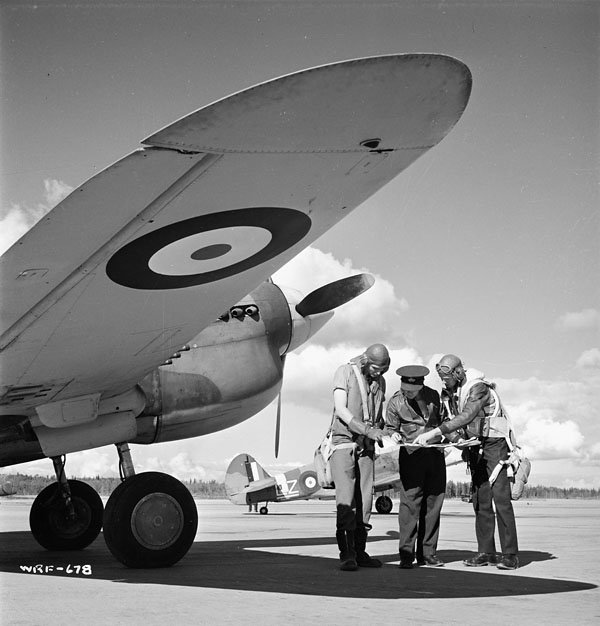
When names become stories, remembrance becomes personal.

When students discover that the person they are researching lived in their community, walked the same streets, or sat in the same classrooms, history becomes more than something they learn about. It becomes something they can relate to.
Faces to Names is a Canadian remembrance education platform that helps students research, document, and share the stories behind the names on local memorials.
By connecting students to the people, places, and communities behind those names, Faces to Names makes remembrance meaningful, personal, and relevant.
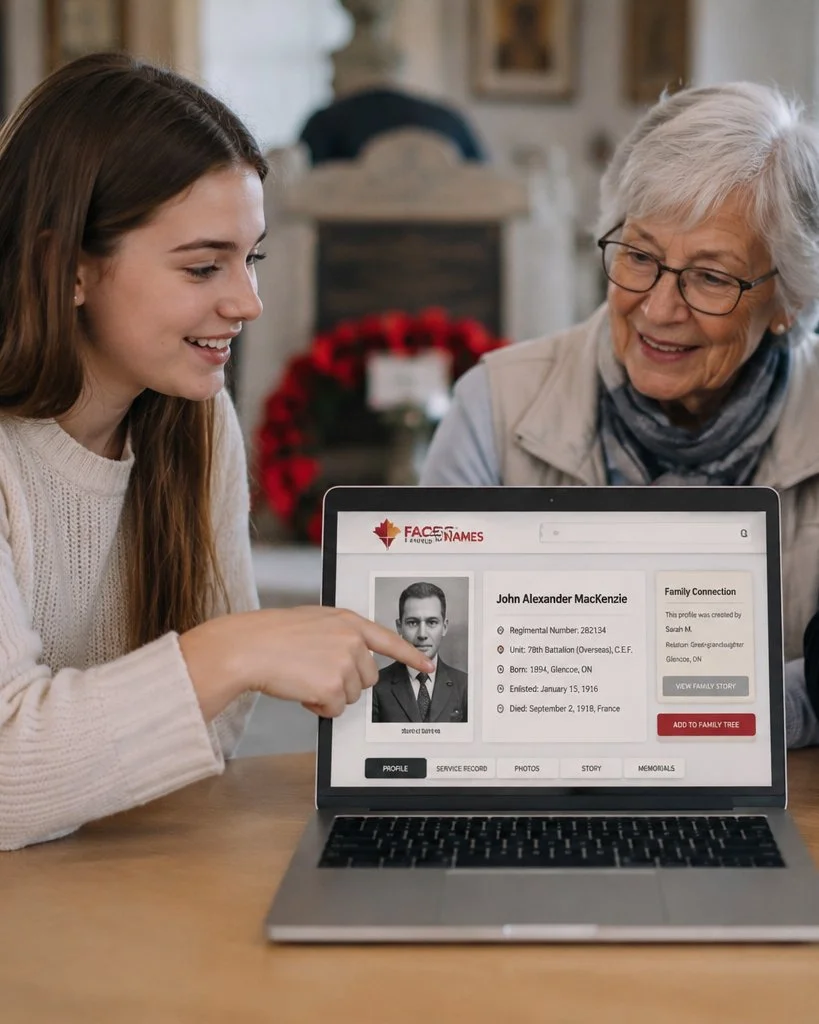
Students don't just learn about remembrance. They participate in it.
Too often, remembrance is something students observe rather than experience.
Faces to Names transforms students from spectators into researchers, guiding them as they uncover the lives behind the names on local memorials. Through service records, photographs, letters, newspapers, and community knowledge, they piece together stories that might otherwise remain forgotten or unknown.
As students connect these stories to the places where people lived, went to school, worked, and served, remembrance becomes more than a moment of reflection. It becomes a process of discovery, connection, and understanding.
Through this work, students gain a deeper appreciation of the impact of war on individuals, families, and communities. They don’t simply learn history, they help preserve it and share it with others.

Building a Living Record of Community Remembrance
Every name on a memorial is part of a larger community story.
As students research and document the people behind local memorials, they create more than individual profiles. Their work helps preserve community history, reconnect families with stories, and make local remembrance more accessible for future generations.
Families, museums, libraries, archives, and local organizations can contribute knowledge, photographs, and materials that enrich these stories and strengthen the public record.
Together, these contributions create a growing body of community knowledge that helps ensure these stories are not lost.
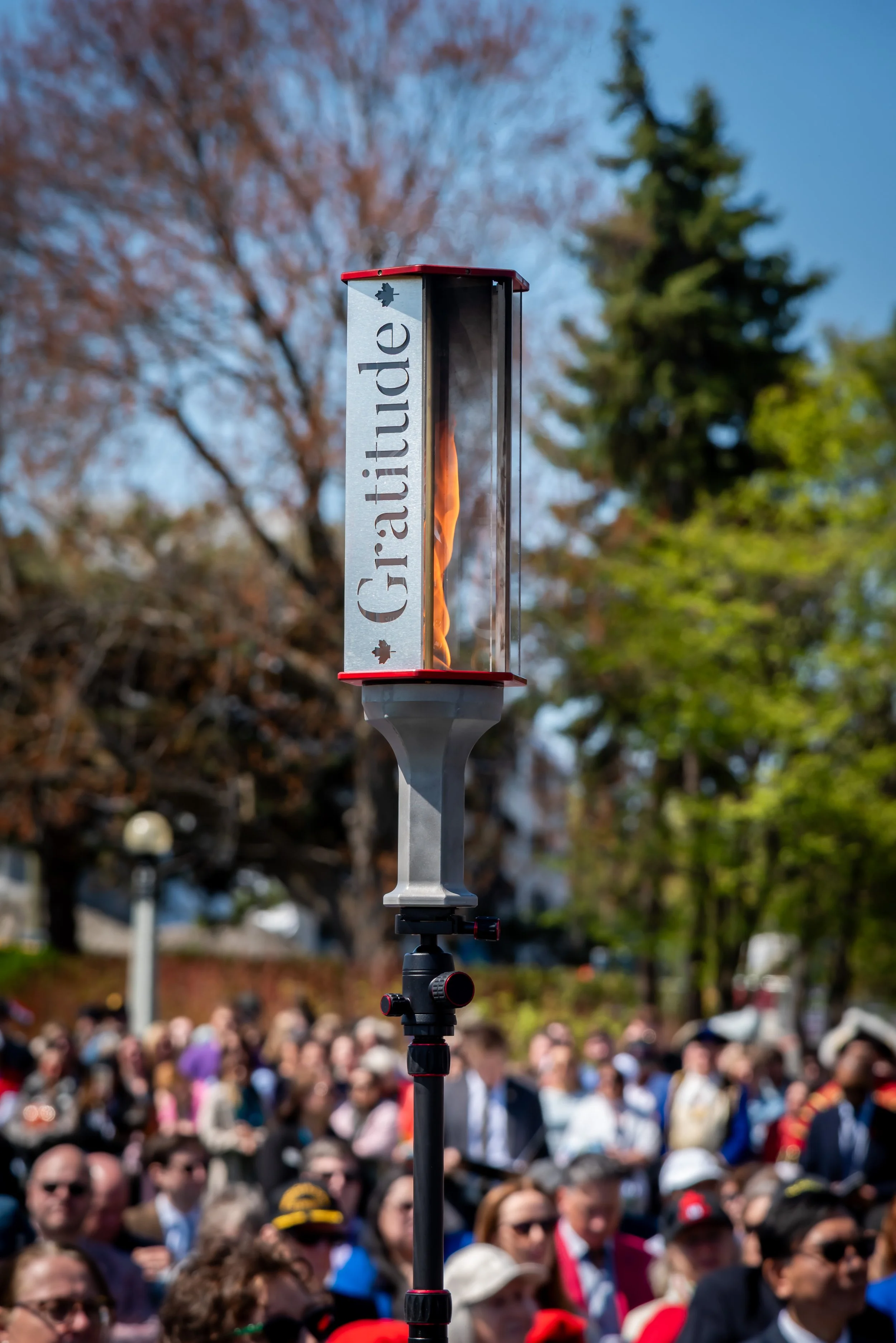
The charity is also home to the Canadian Remembrance Torch, a national symbol of gratitude for peace and freedom. Designed and continually enhanced by engineering students at McMaster University, the Torch inspires reflection through public ceremonies, educational programs, and community engagement in Canada and overseas.
The Torch is the symbol. Faces to Names is the action.
Faces to Names: A Charity Dedicated to Remembrance
Faces to Names is a registered Canadian charity dedicated to engaging young Canadians in remembrance through education, storytelling, and community connection.
Its flagship initiative, the Faces to Names platform, helps students research and share the stories behind the names on local memorials, making remembrance personal, meaningful, and relevant.
Why Faces to Names Was Created
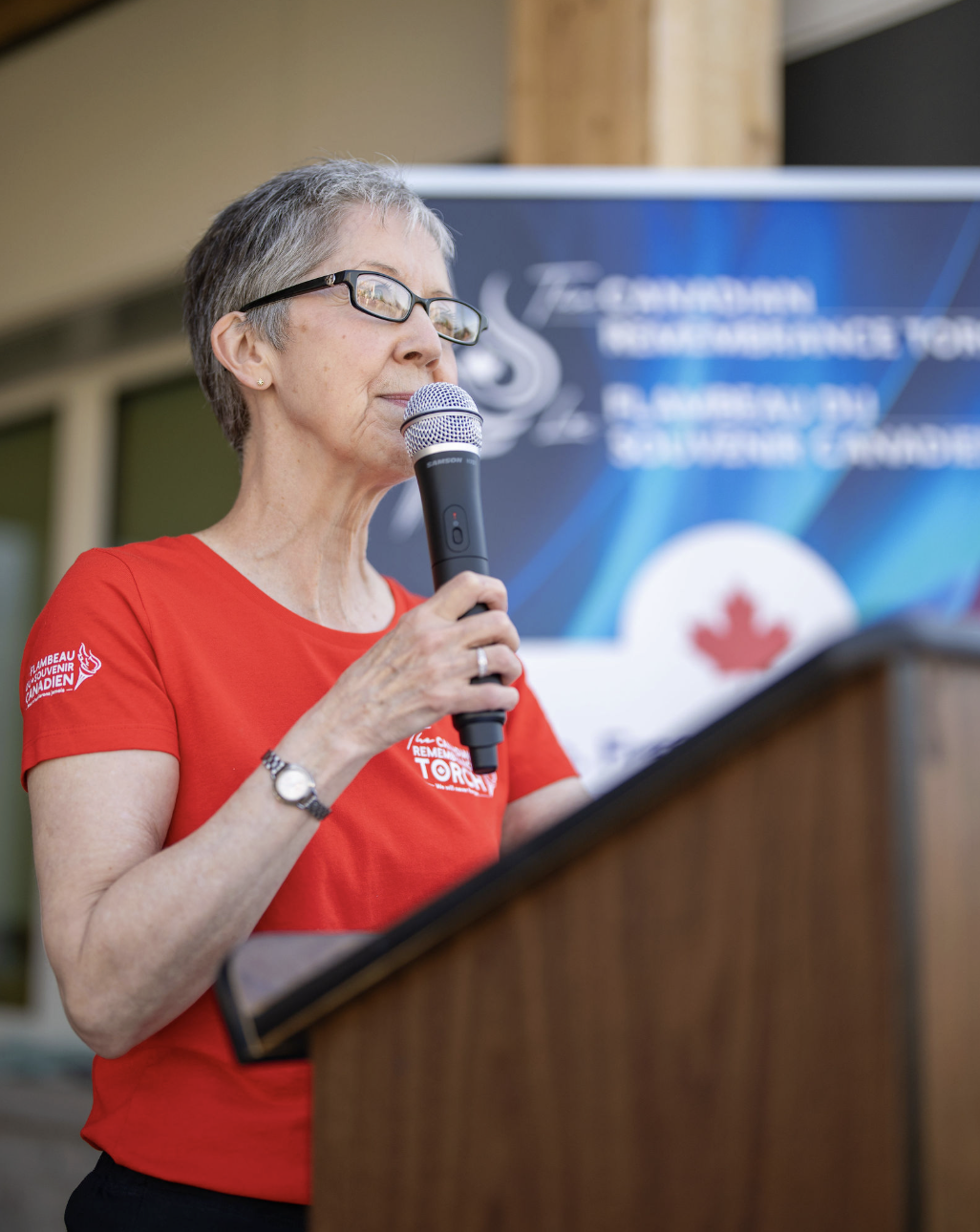
Karen Hunter, Founder & Executive Director
Minister of Veterans Affairs Commendation Recipient (2026)
Our Philosophy
Karen Hunter
Founder, Faces to Names
Faces to Names was founded by Karen Hunter, whose work in remembrance has evolved through a series of initiatives that have helped transform remembrance from something observed into something personally experienced.
In 2019, she launched In Our Fathers’ Footsteps, helping descendants of Canadians who served during the Second World War retrace the paths of liberation in the Netherlands and connect with the stories of their family members.
That work inspired the creation of the Canadian Remembrance Torch, a national symbol of gratitude for peace and freedom that has been carried at ceremonies in Canada and overseas.
These initiatives led to the creation of Faces to Names, a national educational platform that empowers students to research, preserve, and share the stories behind the names on local memorials.
Faces to Names is built on a contemporary philosophy of remembrance.
We believe remembrance should:
• Look forward, inspiring gratitude for the peace and freedom we enjoy today.
• Celebrate as well as commemorate, recognizing the courage, service, and values that continue to shape our country.
• Strengthen our connection to Canada, fostering a shared appreciation for the people, places, and stories that unite us.
• Be year-round, becoming part of everyday learning and community life rather than being confined to commemorative dates.
• Invite participation, giving people the opportunity to discover, preserve, and share the stories behind the names.
Bring Remembrance to Life
Whether you're an educator, student, community organization, family member, or supporter, you can help ensure the stories behind the names are discovered, shared, and remembered.